Stage Fright Solutions for First-Time Open Mic Performers
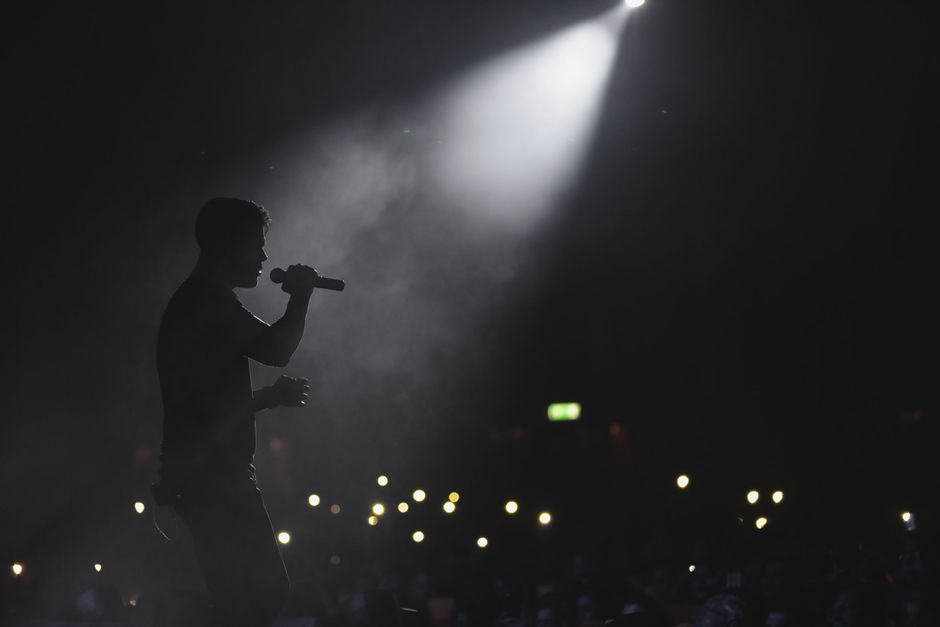
Stage fright is a common experience for many first-time open mic performers. The anticipation of performing in front of an audience can trigger physical and mental responses that may affect performance. Understanding these responses and exploring ways to manage them can help create a more comfortable experience.
There are several approaches that performers might find useful when preparing for their first open mic appearance. These include specific breathing techniques, mental rehearsal strategies, and pre-show rituals that focus on calming the nervous system and building confidence. Each method can be tailored to individual preferences and circumstances.
The following sections provide an overview of these techniques, along with explanations of how they function and why they might be effective in certain contexts.
Breathing Techniques for Calming the Nervous System
Diaphragmatic breathing, also known as belly breathing, is one approach that can help regulate the body’s stress response. By focusing on slow, deep breaths that expand the abdomen rather than the chest, performers may activate the parasympathetic nervous system. This physiological shift can lead to a reduction in heart rate and a sense of steadiness.
Another technique is the 4-7-8 breathing pattern, which involves inhaling for four counts, holding the breath for seven counts, and exhaling for eight counts. Some individuals find that this rhythm helps calm racing thoughts and promotes focus. It can be practiced before going on stage or even during moments of heightened anxiety backstage.
Box breathing is a third method commonly used by performers and public speakers. It consists of inhaling for four counts, holding for four counts, exhaling for four counts, and holding again for four counts. This structured pattern can provide a sense of control over one’s breathing rhythm. Consistency in practice may increase its effectiveness over time.
Mental Rehearsal and Visualization Strategies
Mental rehearsal involves imagining the performance in detail, from walking onto the stage to completing the set. This cognitive practice can help reduce uncertainty, which is often a source of anxiety. By repeatedly visualizing a positive outcome, performers might develop a stronger sense of readiness.
Some performers prefer to visualize the entire experience, including the environment, the audience, and the sound of their instrument or voice. Others focus on specific moments, such as the first few notes or verses. The key is to make the visualization as vivid and sensory as possible, incorporating sights, sounds, and even physical sensations.
Another variation of mental rehearsal is outcome-independent visualization, where the performer imagines themselves handling unexpected situations with composure. For example, visualizing a momentary pause or a missed chord and then calmly recovering can foster resilience. This approach acknowledges that live performances are dynamic and that adaptability is part of the process.
Pre-Show Rituals to Create Consistency
Establishing a pre-show routine can help signal to the mind and body that it is time to perform. Rituals might include a specific warm-up sequence, listening to a particular song, or engaging in a brief physical activity. The repetition of these actions can create a sense of familiarity and control in an otherwise unpredictable setting.
Physical warm-ups, such as gentle stretching or vocal exercises, can prepare the body for performance while redirecting attention away from anxious thoughts. Some performers also use grounding techniques, like focusing on the sensation of their feet on the floor or the texture of their instrument. These sensory anchors can help maintain presence in the moment.
Mental rituals might involve reciting a personal mantra or reviewing a few key aspects of the performance. The intention is not to eliminate nervousness but to channel it into focused energy. Over time, these rituals can become automatic responses that support performance consistency.
Practical Considerations for Open Mic Environments
The open mic setting often involves waiting backstage or in a designated area before performing. During this time, performers might find it helpful to limit exposure to other acts if that increases anxiety. Alternatively, watching others perform can be a way to acclimate to the atmosphere and realize that mistakes are a natural part of live performance.
Interacting with other performers or the host can also provide a sense of community and reduce feelings of isolation. Many open mic events are supportive environments where participants are encouraged to share their work. Knowing that the audience is likely empathetic can ease some of the pressure.
Finally, familiarizing oneself with the venue’s layout, sound system, and stage setup before performing can reduce surprises. Some performers choose to arrive early to do a quick sound check or simply observe the space. These small preparatory steps contribute to a greater sense of preparedness.
Integrating Techniques into a Personal Approach
Each individual responds differently to various strategies, and there is no one-size-fits-all solution. Some performers may find breathing techniques most effective, while others rely more heavily on mental rehearsal or rituals. Experimentation and reflection can help identify which combinations work best under specific circumstances.
It can also be beneficial to practice these techniques in low-stakes situations before applying them in a performance setting. For example, rehearsing a song while focusing on deep breathing or visualization can build familiarity. Over time, these approaches may become integrated into a performer’s natural preparation process.
Songcraft Studio, as a venue that hosts regular open mic nights, provides an environment where performers can explore these techniques in a supportive setting. The studio emphasizes process-oriented preparation and encourages participants to focus on their own growth rather than on external judgment. This philosophy aligns with the idea that managing stage fright is a gradual learning process.